






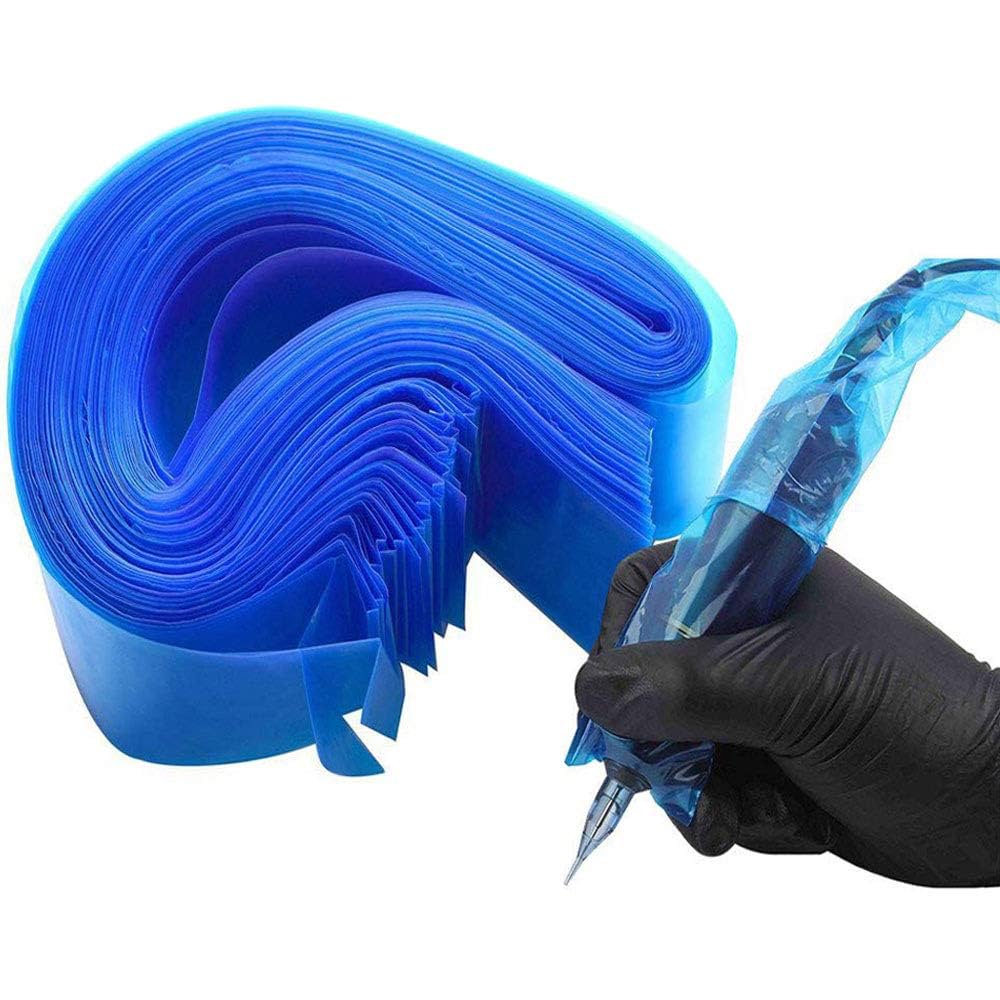
Understanding the Role of Clip Cord Covers in Tattooing Safety
Tattooing is a meticulous art form that requires a high level of hygiene and safety to protect both the artist and the client. One of the essential tools used in maintaining a sterile environment is the clip cord cover. While often overlooked, these simple accessories play a crucial role in preventing the spread of germs and ensuring a safe tattooing process. Understanding how clip cord covers function and why they’re vital can help both artists and clients appreciate their importance in a professional tattoo setting.
The Importance of Clip Cord Covers in Tattooing Safety
Clip cord covers are protective sleeves made from disposable or reusable materials that encase the tattoo machine’s clip cord. Their primary purpose is to create a barrier between the equipment and the environment, preventing the transfer of bacteria, viruses, or other contaminants. In a setting where blood and bodily fluids are involved, maintaining strict hygiene standards is non-negotiable, and clip cord covers serve as an added layer of defense. They are easy to apply and replace, making them a practical solution for maintaining hygiene throughout multiple sessions or during long tattooing hours.
In addition to their protective function, clip cord covers help tattoo artists adhere to health and safety regulations mandated by health authorities. They reduce the risk of cross-contamination, which can occur if contaminated fluids or debris come into contact with the equipment or workspace. Proper use of these covers demonstrates a commitment to client safety and professional responsibility, reassuring clients that their health is a top priority. Ultimately, clip cord covers are a simple yet effective component of a comprehensive infection control protocol in tattoo studios.
Furthermore, clip cord covers contribute to the overall cleanliness of the workspace. By preventing the transfer of contaminants onto the equipment and surrounding surfaces, they facilitate easier cleanup and sterilization procedures. This efficiency not only enhances safety but also helps tattoo artists maintain a more organized and hygienic environment, which is essential for delivering high-quality, safe tattoo services.
How Clip Cord Covers Help Prevent Cross-Contamination
Cross-contamination is one of the most significant concerns in tattooing, especially given the close contact with blood and bodily fluids. Clip cord covers act as a physical barrier that prevents contaminants from traveling from one client or session to another. When used correctly, these covers minimize the chances of germs, bacteria, or viruses hitching a ride on the equipment, significantly reducing the risk of infection. This is particularly important in busy tattoo parlors with multiple clients or when artists switch between different machines or areas.
The process of applying and disposing of clip cord covers is straightforward but vital to their effectiveness. During a session, artists slip the covers onto the clip cord, ensuring that all surfaces come into contact with the protective barrier. Once a tattooing session concludes, the covers are removed and properly disposed of if they are single-use, or sterilized if reusable. This protocol helps reinforce the separation between contaminated and clean areas, preventing cross-contamination from contaminated surfaces or fluids. Proper handling and disposal are key components of safety hygiene practices in tattooing, making the clip cord covers an essential part of infection prevention.
Additionally, clip cord covers support the use of single-use items and promote best practices for sterilization. By providing a disposable barrier, they complement other infection control measures such as glove use, surface disinfectants, and sterilized tools. Implementing these layers of protection creates a comprehensive approach to safety, ultimately safeguarding both clients and artists from potential health risks. In the end, clip cord covers are a simple yet critical tool in maintaining a safe, hygienic tattooing environment that aligns with professional health standards.
In the world of tattooing, safety and hygiene are paramount. Clip cord covers may seem like a small detail, but their impact on preventing cross-contamination and maintaining a sterile environment is significant. By providing a protective barrier that is easy to use and dispose of, these covers help ensure that tattoo artists uphold professional standards while delivering their art safely. For clients, knowing that such precautions are in place can foster trust and confidence in the tattooing process. Ultimately, understanding and properly utilizing clip cord covers is an essential part of responsible and safe tattooing practices.