






 Peak Solice Pro 3 Wireless Tattoo Pen Machine
A Brief History of Tattoos and Their Cultural Significance
Tattoos have been a fascinating aspect of human culture for thousands of years, serving as more than just decorative art. From ancient tribal markings to modern body art, tattoos carry deep symbolic meaning and reflect cultural identities, spiritual beliefs, and social statuses. Understanding the history and cultural significance of tattoos offers a unique glimpse into the diverse ways humans have used body art to express themselves across different eras and societies.
Tracing the Origins and Early Uses of Tattoos Around the World
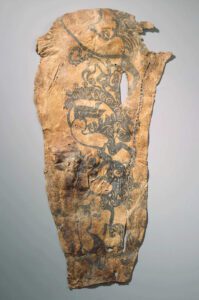
The roots of tattooing can be traced back to ancient civilizations, with some of the earliest evidence found in mummies and archaeological sites. One of the most notable examples is Ötzi the Iceman, a preserved mummy dating back over 5,000 years, whose body bore a series of tattoos believed to have had medicinal or ritualistic purposes. Similarly, in ancient Egypt, tattoos were used to signify social status, religious beliefs, and protection, often involving intricate symbols and motifs. In Polynesian cultures, tattoos—known as “tatau”—began as a rite of passage and were deeply tied to identity, bravery, and heritage.
Across Asia, tattooing also played a significant role, with the Japanese developing elaborate full-body designs that symbolized loyalty and spiritual protection. In Southeast Asia, indigenous groups used tattoos as a form of cultural preservation and social belonging. Meanwhile, in the Pacific Islands, tattooing was a communal activity involving elaborate patterns that denoted rank, genealogy, and tribal affiliation. These early practices highlight how tattoos served as markers of identity and societal structure, often intertwined with spiritual or protective meanings that extended beyond mere decoration.
In the Americas, indigenous tribes such as the Mayans, Aztecs, and Native American groups used tattoos for a range of purposes—from marking accomplishments and social status to spiritual beliefs. For example, Mayan warriors bore tattoos that symbolized their strength and achievements in battle. These early tattoo practices reveal a universal human desire to use body art as a means of communication, cultural preservation, and spiritual connection, spanning continents and civilizations.
Cultural Meanings and Evolution of Tattoo Practices Through Time
As societies evolved, so did the meanings attributed to tattoos. In many ancient cultures, tattoos were seen as protective charms or symbols of spiritual connection, often intertwined with rituals and ceremonies. For instance, in Maori culture, tattoos called “moko” represented ancestral lineage, social standing, and personal achievements, with each design carefully crafted to tell a story. The significance of these markings persisted through generations, making tattoos a living history of individual and collective identity.
During the Age of Exploration and later periods, tattoos gained different connotations in Western societies. Initially associated with sailors, pirates, and prisoners, tattoos began to symbolize rebellion, toughness, or marginal status. However, the 19th and 20th centuries saw a gradual shift as tattooing became more mainstream, especially with the rise of tattoo artists and studios that began to promote artistic expression. Today, tattoos are widely accepted as a form of personal art, with meanings that vary from cultural heritage to individual identity and aesthetic preference.
In contemporary times, tattoos have become a dynamic form of self-expression, often transcending their original cultural and spiritual meanings. They are used to commemorate loved ones, celebrate milestones, or simply showcase artistic tastes. Despite the evolution, many cultures still honor traditional practices and symbols, preserving their cultural significance amidst the global popularity of tattooing. This ongoing evolution reflects a complex interplay between tradition and modernity, demonstrating how tattoos continue to serve as powerful symbols of personal and cultural identity.
From ancient rituals to modern art forms, tattoos have played a vital role in human societies, embodying cultural stories, spiritual beliefs, and personal identities. Their enduring presence across centuries and continents highlights their significance as a universal mode of expression. Whether as symbols of heritage, protection, or individuality, tattoos remain a compelling testament to the diverse ways humans communicate and connect through body art.